
SodaStream
SodaStream is one of the largest food and beverage manufacturers in Israel. It is deeply implicated in the economic oppression of Palestinian people. While it proudly describes itself as a Zionist company, and pretends to remain unaffected by international concerns as to the legality of its operations, it has nevertheless felt the effects of the global BDS campaign.
What you can do
-
Vote with your dollars!
Don’t buy any SodaStream products and encourage your loved ones, neighbours and workmates to do the same.
-
Help us to urge all SodaStream stockists to Swap Out SodaStream for more ethical alternatives and end all future contracts with them.
-
Head to any of the stores that sell SodaStream products and confirm that they are selling SodaStream products. Does the store have an information desk? If it does, go there and ask to make a formal complaint in writing.
If the store doesn’t have an information desk, if you are able you can ask one of the staff members how to go about lodging a formal complaint, otherwise you can check online for a formal complaint process.
Complete the complaint form and ask others to do the same.
If they don’t have a complaint form, we have a generic letter template that you can use the BDS Generic Letter Template. -
Share our social media posts about why SodaStream is a BDS target and why consumers and retailers should Swap Out SodaStream.
There’s nothing refreshing
about apartheid
Historical Complicity
BUILDING A BRAND ON STOLEN LAND
SodaStream’s first factory was built over the remains of seven destroyed Palestinian villages in the illegal settlement of Ma'ale Adumim, in the occupied West Bank. Settlements like Ma'ale Adumim, and companies operating in them, are illegal under international law.
In 2014, under constant pressure from the global Boycott, Divestment, Sanctions (BDS) movement, SodaStream shut down its West Bank factory. This was a big win.
However, SodaStream CEO Daniel Birnbaum claimed: “We are not giving in to the boycott. We are Zionist." He framed the move as a cost-saving decision, despite accusing the BDS campaign of hurting opportunities for Palestinian workers.

SO THEY MOVED.
WHY IS SODASTREAM STILL ON THE BDS LIST?
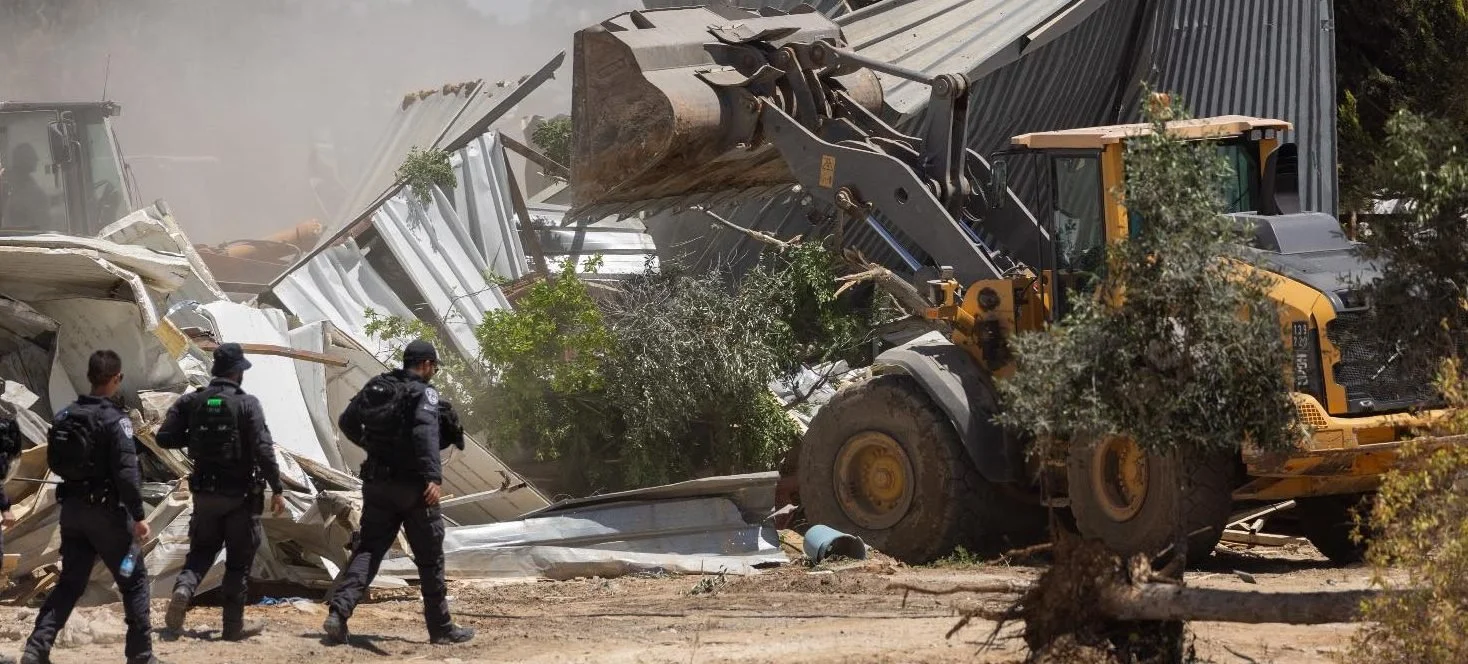

After leaving the West Bank, in 2015 SodaStream relocated to the Idan Industrial Zone in the Naqab (Negev) desert. This is land that Israel confiscated from Palestinian Bedouin communities in the 1950s. That is, SodaStream is still implicated in settler colonial dynamics — just in a different region.
The SodaStream factory is located near the city of Rahat where many Palestinian Bedouins were forcibly relocated. Today, Palestinian Bedouins live under constant threat of displacement by the Israeli state.
Across the Naqab, hundreds of Palestinian homes are demolished every year, with the second-highest number of them occurring in Rahat. (176 in 2022 alone). These home demolitions as well as systematic exclusion from basic infrastructure and services, all contribute to Israel's long-term plan to remove them from their land and traditional practices.